

Ecommerce is more competitive than ever, and by 2026, shoppers expect a seamless, innovative experience every time they visit an online store. For small businesses, standing out means more than just having a presence—it means mastering shopify website designing to attract and convert demanding customers.
This article delivers seven expert-backed ideas to help you create a high-performing Shopify site in 2026. We’ll cover the latest trends in innovation, user experience, and conversion optimisation.
Ready to level up your shopify website designing? These actionable strategies will give your store the edge it needs to win loyal customers and drive sustainable growth.
7 Expert Ideas for Shopify Website Designing Success in 2026
Ecommerce keeps evolving. To win in 2026, you need to think ahead with your shopify website designing. Below, you’ll find seven expert-driven strategies that focus on innovation, user experience, and conversion optimisation. Each idea is rooted in what works now and what will keep you competitive as expectations rise.

1. Embrace Inclusive and Accessible Design
Digital accessibility is no longer optional. According to the World Health Organization, 1.3 billion people globally live with some form of disability. For shopify website designing, this means accessibility should be at your core, not an afterthought.
Legal and ethical pressures have only increased in 2026. Many countries, including Australia, are enforcing stricter online accessibility standards. Non-compliance can lead to fines and lost reputation. But the real win comes from inclusivity—when your site works for everyone, your audience grows.
Key accessibility features for shopify website designing include:
- Keyboard navigation for users who can’t use a mouse
- Alternative text on all images so screen readers can describe content
- Semantic HTML that makes your site structure clear to assistive tech
- Strong colour contrast to help those with low vision
Real-world Shopify stores like The Iconic and Koala have set benchmarks for accessible design. Their sites are navigable by keyboard, images have descriptive alt text, and colour palettes meet WCAG guidelines.
Accessible shopify website designing also boosts SEO. Search engines favour sites that are easy to crawl and understand. Plus, an accessible site means lower bounce rates and more returning customers.
Best practices include regular accessibility audits and updates. Use tools like Axe or WAVE to spot gaps. Make accessibility part of your ongoing process, not a one-off task.
The business benefits of accessible shopify website designing are clear. You’ll build trust, boost your reputation, and create loyal customers who feel seen and valued. In 2026, accessibility is a competitive edge.
2. Prioritise Mobile-First and Responsive Experiences
Mobile commerce is now the standard, with 72 percent of global ecommerce sales happening on mobile devices. If shopify website designing isn’t mobile-first, you’re missing out.
Mobile-first design starts with the smallest screen and scales up. This approach ensures your Shopify site looks and works great everywhere. For shopify website designing, focus on:
- Touch-friendly navigation with big, easy-to-tap buttons
- Scalable, high-resolution images that load quickly
- Lightning-fast load times to keep impatient users engaged
- A checkout process that’s simple and mobile-optimised
Google’s mobile-first indexing means your mobile site is now the baseline for search rankings. If your shopify website designing fails on mobile, your SEO and sales will suffer.
Brands like Culture Kings and Showpo have nailed mobile-first shopify website designing. Their menus, filters, and product pages are intuitive and fast on any device.
Looking ahead, expect voice search, mobile payments, and AR try-ons to become standard. Testing tools like Google’s Mobile-Friendly Test and Shopify’s built-in device previews help you optimise every detail.
For a deeper dive into mobile-first strategies and conversion tips, check out this guide to Shopify web design best practices.
In 2026, shoppers expect seamless mobile experiences. Make mobile-first shopify website designing your priority, and you’ll meet users where they live—on their phones.
3. Streamline Navigation and User Journeys
Cluttered navigation frustrates users and kills conversions. With shopify website designing, aim for simplicity and clarity at every step.
Start with clear menu labels and a logical hierarchy. Group products intuitively, and use dropdowns sparingly. Persistent search bars and sticky navigation keep shoppers oriented no matter where they are.
Intuitive product filters help users narrow choices fast. Consider features like size, colour, price, and availability. Auto-suggest in search bars saves time and reduces friction.
Top-performing Shopify stores like P.E Nation and Adore Beauty use streamlined navigation as a conversion tool. Their menus are clean, filters are powerful, and CTAs are always visible.
Minimise the number of clicks needed to reach products or checkout. Every extra step risks losing a customer. Well-designed shopify website designing uses clear CTAs that stand out, guiding users forward.
Competitors recommend advanced filtering and predictive search to keep users engaged. Make sure all navigation elements are accessible, too—keyboard navigation and screen reader support are musts.
Data shows that simple navigation reduces bounce rates and keeps users exploring longer. The result? Higher conversions and happier customers. In 2026, frictionless navigation is a must-have in shopify website designing.
4. Integrate High-Quality Visuals and Engaging Media
First impressions matter. In shopify website designing, high-quality visuals build trust and drive sales. Crisp images and video tell your brand story instantly.
AI-enhanced product imagery is a growing trend. Tools now generate realistic product photos, lifestyle shots, and even 360-degree views. These visuals let shoppers see every angle before buying.
Professional photography remains important. Consistent lighting, backgrounds, and branding create a polished look. For shopify website designing, ensure all images are optimised for speed without losing quality.
Brands like Spell and The Gypsy Collective use immersive visuals to set themselves apart. Their product galleries, video lookbooks, and interactive demos engage users deeply.
Optimise images with Shopify’s built-in tools, or use apps for compression. Fast-loading visuals keep bounce rates low and conversions high.
Emerging trends in shopify website designing include live shopping events, interactive product demos, and user-generated content (UGC) galleries. These features increase engagement and time on site.
For more on how AR is transforming ecommerce visuals, see augmented reality in ecommerce.
In 2026, visuals aren’t just decoration—they’re your primary sales tool. Invest in engaging media to elevate your shopify website designing.
5. Leverage Personalisation and AI-Driven Recommendations
Personalisation is no longer a nice-to-have in shopify website designing. By 2026, AI and machine learning are powering everything from product recommendations to dynamic content and targeted promotions.
AI analyses user behaviour in real time, serving up products and content that match each shopper’s interests. Shopify apps like Nosto and LimeSpot make personalisation accessible for any store.
Segment your audience by location, browsing history, and purchase patterns. Use this data to create tailored experiences that increase conversions and average order value.
Stats show personalisation can boost sales by up to 20 percent. Shoppers are more likely to buy when they see products relevant to them. In shopify website designing, that means smarter homepages, personalised emails, and retargeted ads.
Privacy matters, too. Be transparent about data use, and always get consent. Build trust by letting customers control their preferences.
The future of shopify website designing includes predictive analytics and real-time customisation. Imagine a site that adapts as users browse, showing exactly what they want.
Personalisation makes your shoppers feel understood. In 2026, it’s the key to staying ahead in shopify website designing.
6. Optimise for Speed, Performance, and SEO
Speed is non-negotiable in shopify website designing. Modern shoppers expect pages to load in under two seconds. Anything slower, and they’re gone.
Fast sites rank higher on Google and convert better. Compress images and videos, limit unnecessary apps, and clean up your code. Choose lightweight Shopify themes designed for speed.
The link between speed, SEO, and sales is proven. Google’s Core Web Vitals now factor into rankings, so shopify website designing must prioritise performance.
Use tools like Google PageSpeed Insights and Shopify’s Analyzer for regular testing. Address issues quickly to keep your site running smoothly.
Balance design features with performance. Avoid heavy animations or oversized images that slow things down. Remember, every extra second costs you sales.
For more granular tips, see this guide on optimising Shopify product pages.
Ongoing monitoring is essential. Make speed checks part of your shopify website designing process. In 2026, performance is your silent salesperson—always working to keep users engaged.
7. Harness Social Proof and Community-Driven Content
Social proof is a powerful trust builder in shopify website designing. Shoppers want to see real feedback before making a decision.
Customer reviews, UGC, and real-time purchase notifications all help. Display reviews on product pages, and highlight top testimonials on your homepage.
Brands like Frank Body and Go-To Skincare have built loyal communities around their products. Their shopify website designing features UGC galleries, customer stories, and influencer shoutouts.
Shopify review apps like Judge.me and Yotpo make it easy to collect and showcase reviews. Encourage customers to share photos and honest feedback.
Data shows reviews can increase conversions by up to 30 percent. Authenticity matters—avoid fake or overly filtered testimonials.
Community-driven content builds long-term loyalty. Run contests, feature customer stories, and create spaces for users to connect.
In 2026, social proof isn’t just about reviews. It’s about building a brand community that supports, shares, and advocates for you. Make it a core part of your shopify website designing.
The Value of Expert Shopify Guidance for Small Australian Brands
Running an ecommerce business in Australia is anything but simple. The market is crowded and global brands are just a click away. Small brands need shopify website designing that not only stands out but also converts visitors into loyal customers.
Expert guidance makes a world of difference. With the right partner, you get more than just a pretty website. You gain a platform built for conversion, speed, and long-term growth. In 2026, user expectations are higher than ever, and DIY solutions often fall short when it comes to delivering a seamless experience.
That is where Kida Digital steps in. As a Sydney-based consultancy, they specialise in streamlined and affordable shopify website designing for small businesses. Their approach focuses on what matters most: fast launches, tailored support, and hands-on education so you can manage your store with confidence.
Kida Digital is known for its transparent pricing, four-week build process, and remote-friendly service for clients all over Australia. If you want to learn more about their expert approach, check out their Shopify Store Development Services.
One recent client, an independent fashion label in Melbourne, saw a 38 percent increase in conversion rates just weeks after launching their new Shopify site with Kida Digital. The founder praised the smooth process and ongoing support, saying it finally felt like their online store reflected the quality of their brand.
If your next shopify website designing project matters, consider working with experts who understand the unique needs of small Australian brands. The right guidance can be the difference between just surviving and truly thriving.
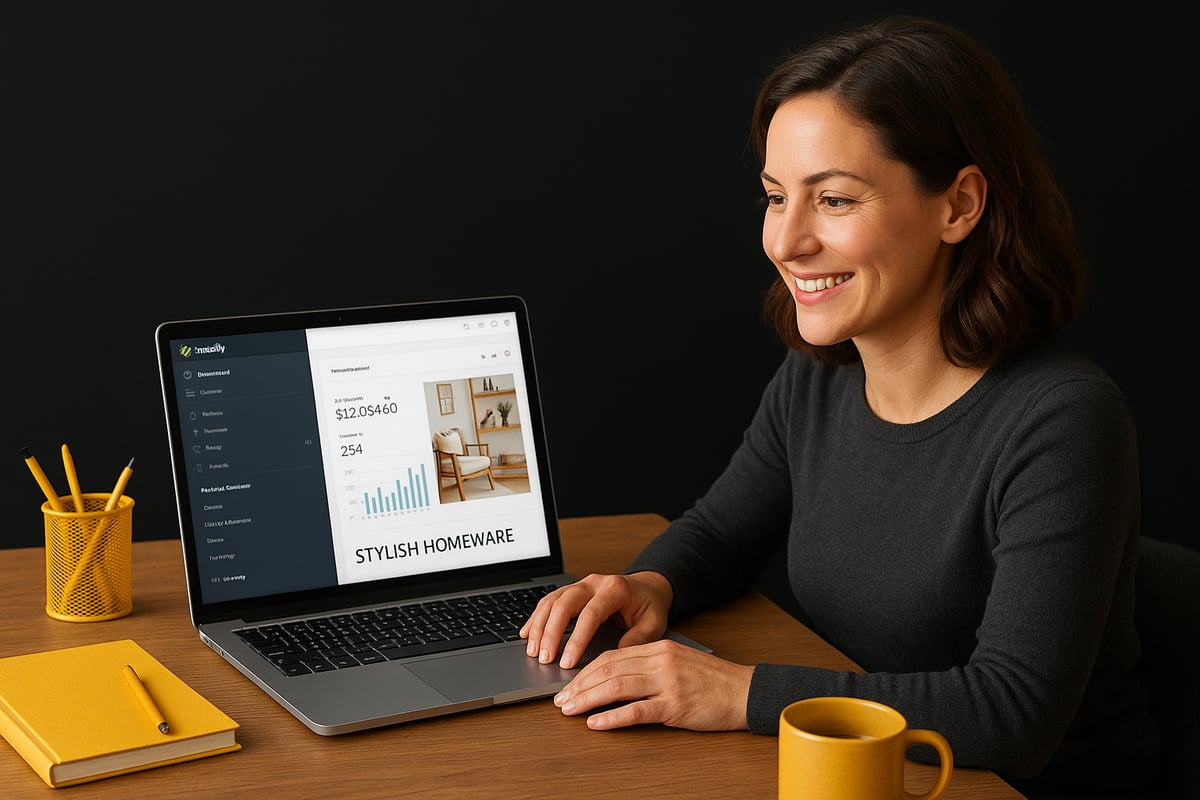
You’ve seen how the right design choices can set your Shopify store apart in a crowded market—whether it’s making your site accessible, streamlining navigation, or harnessing social proof. But translating these expert ideas into a real, high converting shop can feel overwhelming, especially when you’re juggling everything else. If you’re ready to stop spinning your wheels and actually start selling, let’s make it happen together. You don’t have to do it alone or waste months on trial and error. Take the next step and Go From Stuck to Selling in 4-Weeks.


Be the first to comment