

The Shopify Partner Program has quietly become one of the most influential ecosystems in eCommerce development. If you're running a small Australian business or considering building a Shopify store, understanding what a shopify developer partner actually does will help you make smarter hiring decisions and avoid expensive mistakes. This isn't just industry jargon or another certification badge. It's a fundamental structure that shapes how developers approach your store, what tools they have access to, and how aligned their incentives are with your long-term success.
What Actually Is a Shopify Developer Partner
A shopify developer partner is someone who's joined Shopify's official Partner Program to build stores, apps, or themes for merchants.
They get access to development stores, partner education, early feature releases, and revenue sharing opportunities.
The program launched in 2009 and has grown to over 45,000 active partners globally. In Australia alone, there are roughly 2,800 registered partners according to Shopify's 2025 ecosystem report. Not all of them are developers though. The program includes designers, marketers, affiliates, and agencies. What separates developer partners specifically is their technical focus on building and customising Shopify stores rather than just promoting the platform.
When someone becomes a shopify developer partner, they're not employees of Shopify.
They're independent businesses that choose to specialise in the platform. Shopify provides them with tools and support, but partners operate their own companies with their own pricing and processes. This distinction matters because it means the quality and approach varies wildly between different partners.
The Three Partner Categories
Shopify organises partners into three main tracks.
Build Partners create stores, themes, and custom functionality for merchants. This is where most traditional development work happens. App Partners develop applications that extend Shopify's core features and sell them through the Shopify App Store. Theme Partners design and sell templates through the Theme Store. Some partners operate across multiple categories, while others specialise deeply in one area.
For small Australian businesses, build partners are typically the most relevant. They're the ones who'll actually construct your store from the ground up or modify an existing one.
How the Partner Dashboard Changes Everything
The partner dashboard is the control centre that separates registered partners from regular users.
It includes unlimited development stores for testing and building client projects. These development stores have all the features of a paid Shopify plan but cost nothing until they're transferred to a live merchant account. This setup allows partners to build and refine your store before you pay anything to Shopify directly.
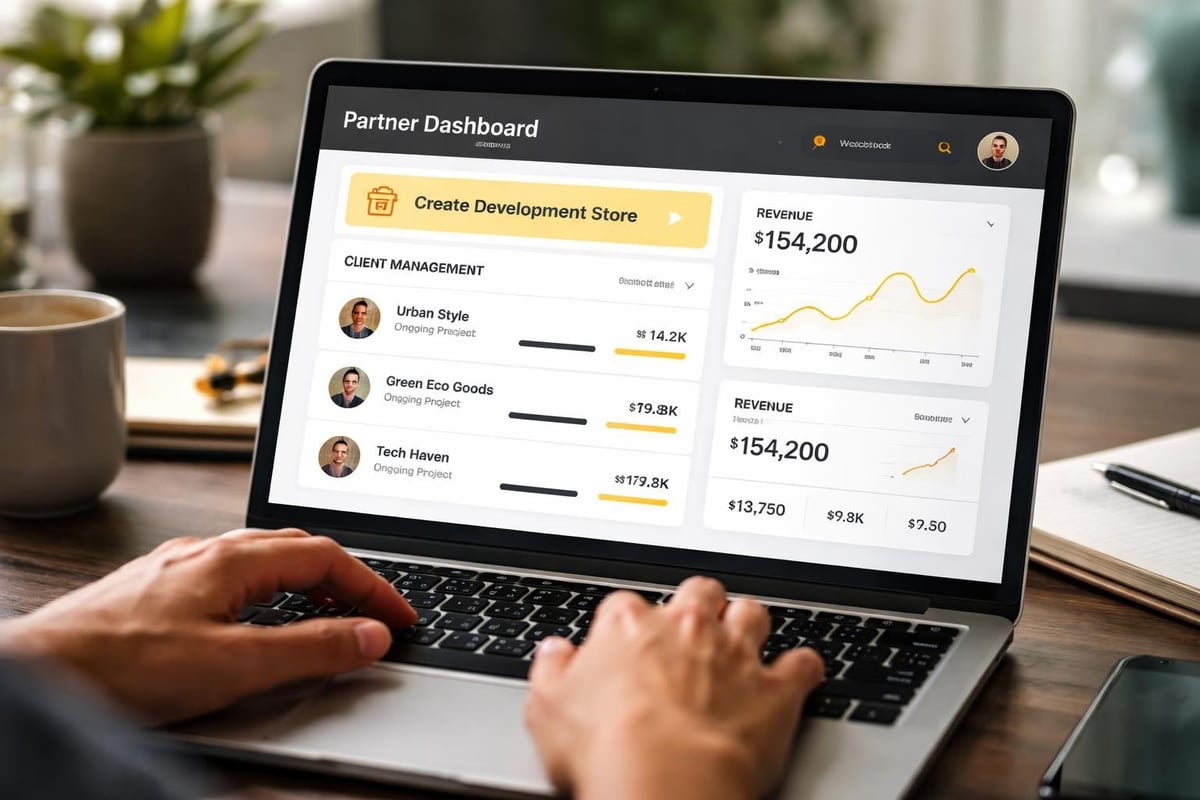
Development stores come pre-loaded with test data and can be customised with any theme or app. Partners can invite team members, test checkout flows with Shopify's bogus payment gateway, and simulate real merchant workflows. Once a store is ready to launch, the partner transfers ownership to the merchant, and that's when billing starts.
Revenue Sharing Structure
Shopify pays partners recurring revenue for stores they build and apps they develop.
For development stores that convert to paid plans, partners receive 20% of the merchant's monthly subscription fee for the life of that merchant's account. If you're paying $79 monthly for a Shopify Basic plan, your developer partner receives roughly $15.80 each month as long as you remain on that plan.
This creates a different incentive structure than traditional web development. Instead of building a site and walking away, partners benefit from building stores that actually succeed long-term. Failed stores that close within months hurt the partner's recurring revenue. Successful stores that grow and upgrade plans increase it.
Partner Access to Tools and Education
Registered partners get early access to new Shopify features before public release.
They receive invitations to exclusive training sessions, beta programs, and Shopify's annual partner conference Unite. The partner education platform includes certification tracks for theme development, app development, and store setup. While these certifications aren't mandatory, they signal that a partner has invested time in formal Shopify training.
Partners also get priority support from Shopify's partner success team. This is separate from merchant support and typically faster. When technical issues arise during development, partners can access specialist help that regular merchants can't. For time-sensitive builds, this access can mean the difference between launching on schedule or missing critical deadlines.
Community and Collaboration
The partner community forums provide a space where developers share solutions to technical challenges.
These forums have resolved countless edge cases that don't appear in official documentation. Real developers discussing real problems they've encountered across hundreds of stores. When you hire a shopify developer partner with active community involvement, you're accessing that collective knowledge base indirectly.
Shopify Plus partners (those who work with enterprise clients) get additional benefits including dedicated partner managers and higher revenue shares. For small Australian businesses, this tier isn't usually relevant, but understanding the structure helps you evaluate whether a partner primarily serves enterprise clients or focuses on businesses closer to your size.
Choosing Between Partner Types
Not every registered partner is equally suited to your project.
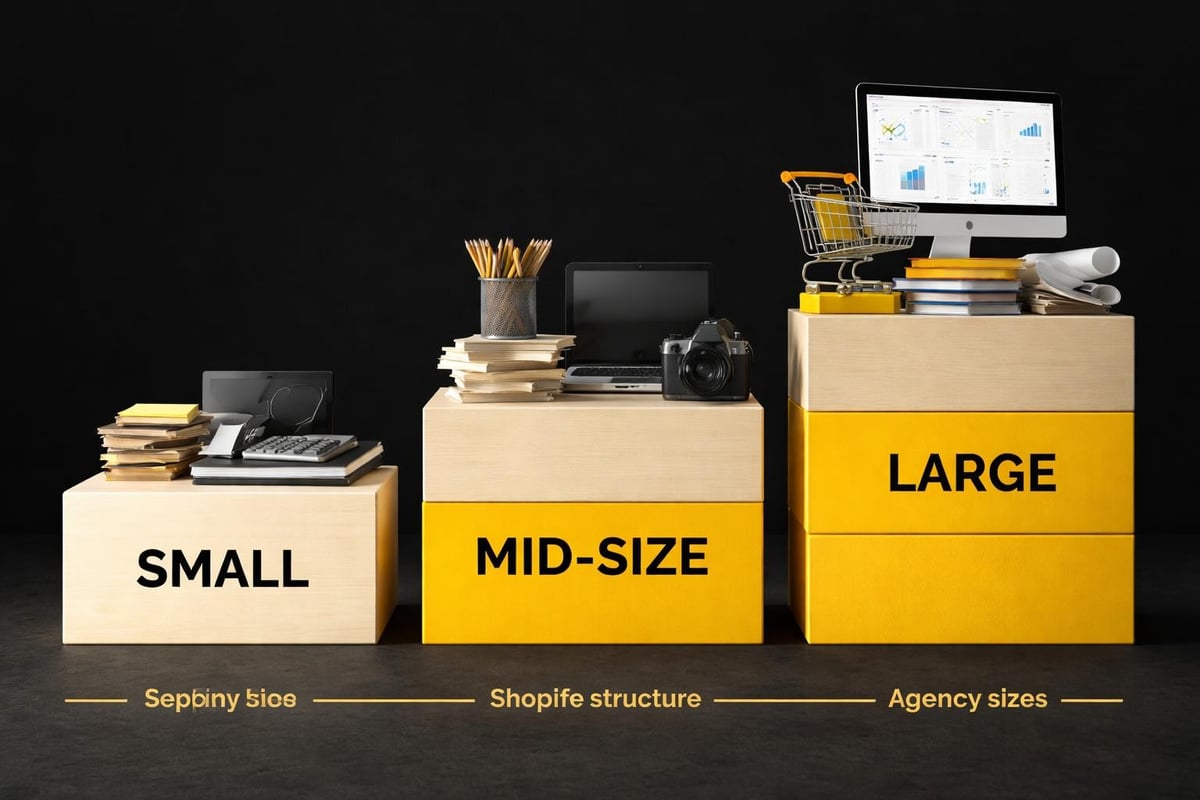
Some partners run large agencies with 50+ staff members and minimum project fees above $20,000. Others are solo developers who specialise in quick builds for small businesses. The partner directory lists them all without distinguishing clearly between these different operating models.
| Partner Type | Typical Project Size | Timeline | Best For |
|---|---|---|---|
| Large Agency | $15,000 – $100,000+ | 3-6 months | Complex custom builds, enterprise features |
| Boutique Agency | $5,000 – $25,000 | 6-12 weeks | Growing businesses with specific needs |
| Specialist Developer | $3,000 – $10,000 | 2-6 weeks | Small businesses, standard functionality |
| Freelancer | $1,500 – $8,000 | 1-8 weeks | Basic builds, theme customisation |
For Australian small businesses launching their first store, the specialist developer or boutique agency categories typically offer the best balance. They have enough experience to avoid common pitfalls but haven't inflated their pricing with agency overhead.
Kida Digital operates in this specialist space, focusing specifically on conversion-led builds for small Australian eCommerce businesses with a four-week delivery model that cuts through agency bloat.
What Partner Status Doesn't Guarantee
Being a shopify developer partner doesn't automatically mean someone is good at their job.
The program has low barriers to entry. Anyone can sign up and become a registered partner within minutes. There are no skill tests, portfolio requirements, or quality gates. Shopify intentionally keeps it open to encourage ecosystem growth, but this means the partner badge alone tells you almost nothing about competence.
Some partners have built hundreds of successful stores. Others signed up yesterday and haven't completed a single project. The partner directory doesn't clearly distinguish between these experience levels. You need to ask for portfolios, client references, and specific examples of stores they've built for businesses similar to yours.
Red Flags to Watch For
Partners who can't show you live stores they've built should raise concerns.
Anyone claiming they can build a complete custom store in a few days is either overselling or underdelivering. Realistic timelines for quality builds range from two to twelve weeks depending on complexity. Partners who pressure you into expensive apps or custom code for basic features might be padding their invoices rather than solving problems efficiently.
The most concerning pattern is partners who transfer ownership immediately after launch and disappear. Shopify stores need ongoing maintenance, app updates, and periodic optimisation. Partners focused only on the initial build fee without interest in long-term relationships often leave merchants stranded when issues arise.
The Technical Capabilities That Matter
Strong shopify developer partners understand Liquid, Shopify's templating language.
They can modify theme code to create custom functionality without relying on paid apps for every feature. This skill saves merchants money over time and creates faster, cleaner stores. Not every business needs custom Liquid work, but knowing your partner can handle it when necessary provides flexibility.
Partners should understand conversion optimisation principles, not just aesthetics. A beautiful store that converts poorly is expensive decoration. Elements like checkout flow, product page structure, mobile responsiveness, and loading speed directly impact revenue. Partners focused purely on design often miss these commercial fundamentals.
App Ecosystem Knowledge
The Shopify App Store contains over 8,000 apps across hundreds of categories.
Experienced partners know which apps solve specific problems reliably and which create more issues than they fix. They understand app conflict patterns, performance impacts, and cost-benefit trade-offs. Novice partners often install whatever app appears first in search results, leading to bloated stores with overlapping functionality.
Questions about their typical app stack reveal expertise quickly. Partners should explain why they recommend specific apps and what alternatives they've tested. Generic answers like "we use whatever the client wants" suggest they haven't developed informed opinions through repeated experience.
Development Store Advantages
Development stores let partners build and test everything before you commit financially.
You can review the complete store, test the checkout process, and verify functionality before transferring ownership and starting your Shopify subscription. This approach reduces risk significantly compared to building directly on a live paid account where mistakes cost you subscription fees while problems are being fixed.
Partners can create multiple development versions to test different approaches. Want to compare two theme options or see how different homepage layouts perform? Development stores make this exploration possible without duplicate subscription costs. Once you've chosen your preferred direction, that store becomes your live site.
Transfer Process
When you're ready to launch, the partner initiates a transfer request.
You receive an email invitation to claim ownership and choose your Shopify plan. At this point, you start paying Shopify directly for your subscription. The partner receives their revenue share automatically. You maintain full ownership and control over your store from day one.
Some partners require final payment before transfer, others work on milestone-based structures. Understanding payment terms upfront prevents disputes during the critical launch period. Contracts should clearly specify what happens if issues are discovered after transfer and how post-launch support works.
Partner Metrics That Indicate Quality
Shopify tracks partner performance through various metrics.
While not all metrics are public, patterns emerge in how successful partners operate. Partners with high client retention rates (merchants staying active for years) typically deliver better initial builds. Those with frequent chargebacks or disputes face account reviews and potential removal from the program.
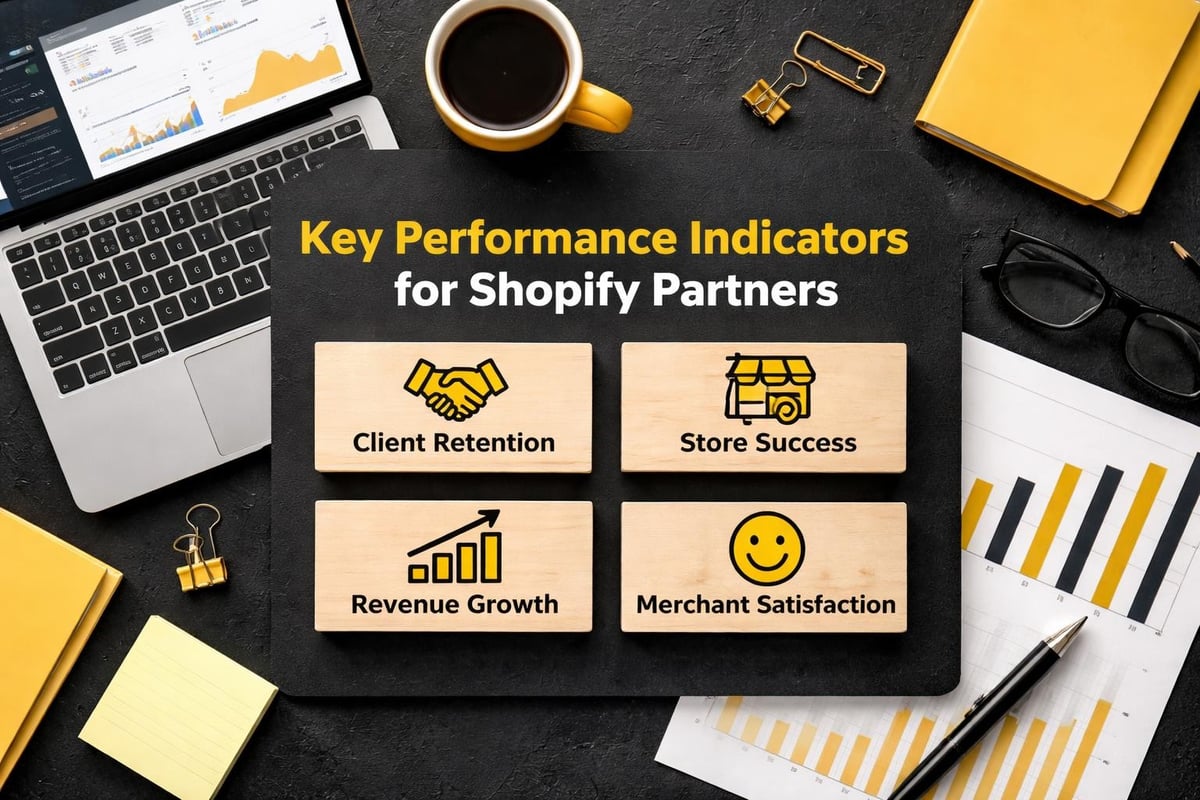
The partner tier system (Member, Partner, Advanced Partner, Shopify Plus Partner) reflects total revenue generated through the platform. Higher tiers suggest more experience, though tier alone doesn't guarantee individual project quality. An Advanced Partner might have one talented developer doing excellent work or ten mediocre developers producing volume.
Client Case Studies
Strong partners showcase detailed case studies explaining their approach to specific challenges.
Generic portfolios showing pretty screenshots tell you little. Case studies that discuss the business problem, chosen solution, implementation details, and measurable results demonstrate strategic thinking beyond surface-level design. When reviewing potential partners, ask for examples similar to your specific industry or business model.
Australian fashion brands have different needs than health supplement stores or B2B distributors. Partners experienced in your niche understand regulatory requirements, typical customer behaviour, and effective merchandising approaches specific to your product category.
The Australian Partner Landscape
Australia's Shopify partner ecosystem grew 34% between 2024 and 2025 according to Shopify's regional data.
Most partners concentrate in Sydney and Melbourne, though remote work has distributed capability more evenly. Brisbane, Perth, and Adelaide all have growing partner communities. For small businesses, location matters less than it once did, but understanding Australian-specific requirements remains valuable.
Australian partners familiar with local payment gateways, shipping integrations, and tax regulations save time during setup. They understand AusPost integration quirks, Afterpay implementation, and GST calculation requirements. International partners often need education on these specifics, extending timelines and creating potential compliance gaps.
Pricing Expectations
Australian shopify developer partner pricing typically ranges from $3,000 to $15,000 for small business builds.
This variation reflects scope differences, not just partner markups. A basic store using a premium theme with minimal customisation sits at the lower end. Complex builds with custom functionality, unique design elements, and specialised integrations move toward the upper range. Understanding exactly what's included at each price point matters more than finding the cheapest option.
Hourly rates for Australian Shopify developers range from $80 to $200+ depending on experience and specialisation. Project-based pricing often delivers better value than hourly billing for defined scope projects. Fixed pricing provides budget certainty and aligns incentives around efficient delivery rather than extended timelines.
App Development Partners vs Store Builders
App partners follow a different business model than store builders.
They create software products sold repeatedly through the App Store rather than custom building individual stores. For small businesses, you'll primarily interact with app partners as customers rather than hiring them for development work. Understanding this distinction prevents confusion when researching partners.
Some partners operate in both spaces, building custom stores while also maintaining their own apps. This dual approach can create advantages if they've developed apps specifically for common merchant needs. Their apps integrate more smoothly with stores they build since they control both sides of the equation.
Theme Partners
Theme partners design templates sold through the Shopify Theme Store.
Popular themes can generate substantial passive income for their creators. For merchants, buying a theme from the Theme Store costs $180 to $350 typically, much less than custom design work. However, theme customisation to match your specific brand and needs often requires hiring a separate developer partner.
Some theme partners offer customisation services for their own themes at preferred rates. If you've chosen their theme, working with them for modifications can streamline the process since they know the codebase intimately. Other theme partners focus purely on template development and don't offer customisation services.
When Partner Status Becomes Irrelevant
For certain projects, whether someone is a registered shopify developer partner doesn't matter practically.
If you're hiring for basic theme customisation or simple setup work, a skilled general web developer might deliver perfectly good results even without formal partner status. They won't have development store access, so work happens on your live account, but for minor tweaks this limitation rarely causes problems.
The partner advantage becomes critical for complex builds requiring extensive testing, custom app integration, or advanced Liquid development. These projects benefit from development store testing environments and partner-specific tools. For straightforward builds using standard themes and apps, the capability gap narrows considerably.
Portfolio Over Badges
Judge potential developers on their demonstrated work rather than credentials alone.
A talented developer with a strong portfolio of successful Shopify stores but no official partner status often outperforms a registered partner with limited experience. Ask to see live stores they've built, speak with their previous clients, and evaluate their understanding of eCommerce fundamentals.
Technical skill matters, but commercial awareness separates good developers from great ones. The best Shopify partners think like business owners, not just coders. They ask about your target market, profit margins, and growth plans because these factors shape every technical decision.
Making the Partner Relationship Work
Clear communication protocols prevent most common partner-client conflicts.
Establish upfront how often you'll receive updates, through what channels (email, Slack, project management tools), and what response times to expect. Mismatched communication expectations create frustration even when actual work progresses smoothly.
Detailed project briefs save time and money. Partners can't read minds. The more specific you are about required functionality, design preferences, and business goals, the closer the first draft will align with your vision. Vague briefs lead to multiple revision rounds that extend timelines and sometimes incur additional costs.
Post-Launch Support
Clarify post-launch support terms before signing contracts.
Some partners include 30-90 days of minor adjustments and bug fixes. Others charge hourly for any work after transfer. Neither approach is inherently wrong, but surprises after launch create tension. Understanding what's included and what costs extra lets you plan appropriately.
Long-term maintenance arrangements vary widely. Some merchants prefer ongoing retainer relationships with their original developer partner. Others handle updates internally or hire different developers for periodic changes. Choose the arrangement that fits your team's capabilities and budget.
The Partner Program's Evolution
Shopify continuously updates partner program features and requirements.
In 2025, they introduced enhanced revenue sharing for partners who complete certain certification tracks. The partner dashboard interface was redesigned to improve client management workflows. These ongoing changes reflect Shopify's investment in the partner ecosystem as a core growth strategy.
Future updates will likely emphasise AI integration capabilities, headless commerce options, and cross-border selling features. Partners who stay current with these developments provide more valuable guidance than those relying on outdated approaches. Ask potential partners about recent Shopify updates they've implemented and how they stay informed about platform changes.
Emerging Specialisations
Partner specialisation has increased noticeably over the past three years.
Rather than generalist approaches, many successful partners now focus narrowly on specific industries, business models, or technical capabilities. Subscription commerce specialists, DTC brand experts, B2B solution providers, and marketplace builders all represent distinct specialisations within the broader partner ecosystem.
For small Australian businesses, finding a partner who regularly works with businesses at your scale and in your general category often delivers better results than hiring based purely on technical credentials. They've already solved the specific problems you'll encounter and know the effective solutions.
Working with the right shopify developer partner transforms your eCommerce launch from overwhelming to achievable. The partner structure provides real advantages when you know what to look for and which questions to ask. If you're ready to build a conversion-focused Shopify store without agency bloat or DIY confusion, Kida Digital specialises in exactly that for small Australian businesses, delivering complete builds in four weeks with clarity and strategic direction built in from day one.


Be the first to comment