

Finding the right developer for your Shopify store isn't just about ticking boxes on a service list. It's about finding someone who understands eCommerce, knows the platform inside out, and can build something that actually converts visitors into customers. The landscape of top Shopify developers has shifted dramatically in 2026, with more specialists emerging and pricing models becoming harder to navigate. For small Australian businesses launching their first online store, the stakes feel high and the options overwhelming.
What Actually Defines Top Shopify Developers
The term "top" gets thrown around carelessly in the development world.
Real expertise shows up in specific ways. It's not about flashy portfolios or corporate speak. It's about results, speed, and understanding what makes an online store work.
Top Shopify developers demonstrate these core capabilities:
- Building stores that convert, not just look pretty
- Understanding the technical limitations and possibilities of Shopify's architecture
- Delivering projects on realistic timelines without dragging out scope
- Providing clear pricing without hidden costs or surprise bills
- Maintaining ongoing support after launch
The difference between a good developer and a great one often comes down to their approach to conversion optimization. A beautiful store that doesn't sell is just an expensive digital brochure.
Technical Skills That Separate the Best from the Rest
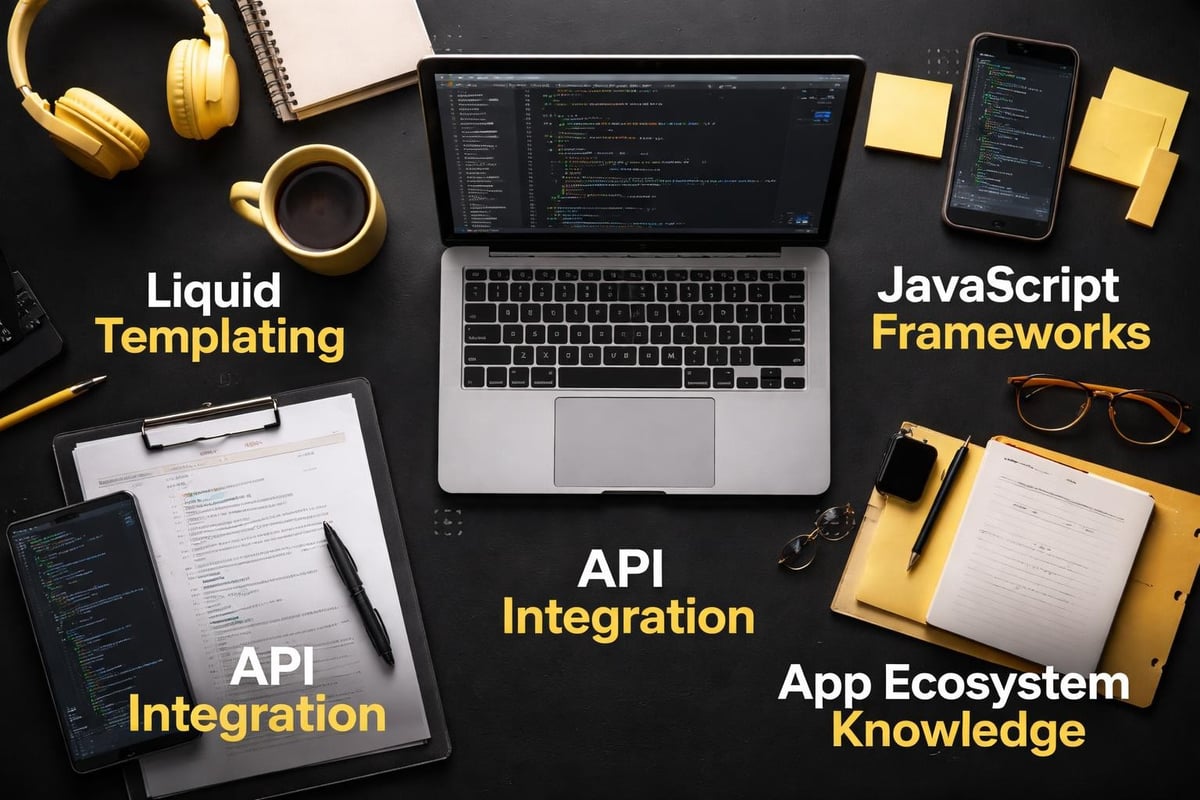
Liquid templating knowledge sits at the foundation of custom Shopify development. This is Shopify's proprietary template language. Without mastery here, customization becomes impossible or relies entirely on apps.
Modern developers also need solid JavaScript skills. Shopify's theme architecture now heavily incorporates JavaScript for dynamic functionality and improved user experiences.
API integration capability matters more than ever in 2026. Stores rarely exist in isolation. They connect to inventory systems, accounting software, marketing platforms, and fulfillment services.
According to industry reviews of Shopify development agencies, successful developers balance technical ability with business understanding. Code quality means nothing if the store doesn't support your business model.
The Cost Reality of Working with Top Developers
Pricing creates the biggest confusion for Australian small businesses exploring Shopify development options.
Agency rates in major markets like the USA can hit $150 to $300 per hour. Total project costs often land between $10,000 and $50,000 for custom builds. These numbers reflect top Shopify development companies serving enterprise clients.
That pricing model doesn't fit most small eCommerce businesses launching their first store.
The typical cost breakdown looks like this:
| Service Level | Price Range | Timeline | Best For |
|---|---|---|---|
| DIY Templates | $0 – $500 | 1-2 weeks | Very limited budgets |
| Freelance Developers | $2,000 – $8,000 | 4-8 weeks | Simple customization needs |
| Boutique Specialists | $4,000 – $12,000 | 3-6 weeks | Small business launches |
| Full-Service Agencies | $10,000 – $50,000+ | 8-16 weeks | Established brands, complex needs |
The challenge isn't just the upfront cost. It's understanding what you're actually getting for your money. Some agencies charge premium rates but deliver template-based stores with minimal customization.
Others offer genuine custom development but stretch timelines to justify higher fees.
What You Should Expect to Pay in Australia
The Australian market operates slightly differently than the USA. Local developers typically charge between $80 and $180 per hour. Project-based pricing for small business Shopify stores ranges from $5,000 to $15,000.
Geography still influences pricing in 2026, but remote work has flattened some of these differences. You're competing with global talent pools whether you like it or not.
Value matters more than raw cost. A $6,000 store that converts at 3% beats a $15,000 store converting at 1.5%. The math isn't complicated.
At Kida Digital, we've structured our done-for-you Shopify builds specifically for small Australian eCommerce businesses launching their first store. Our core package covers everything needed to launch within four weeks with clarity and strategic direction, without agency bloat or missing fundamentals.
Evaluating Developer Portfolios and Case Studies
Portfolio quality tells you less than you think. Pretty screenshots are easy to produce. Real results require deeper investigation.
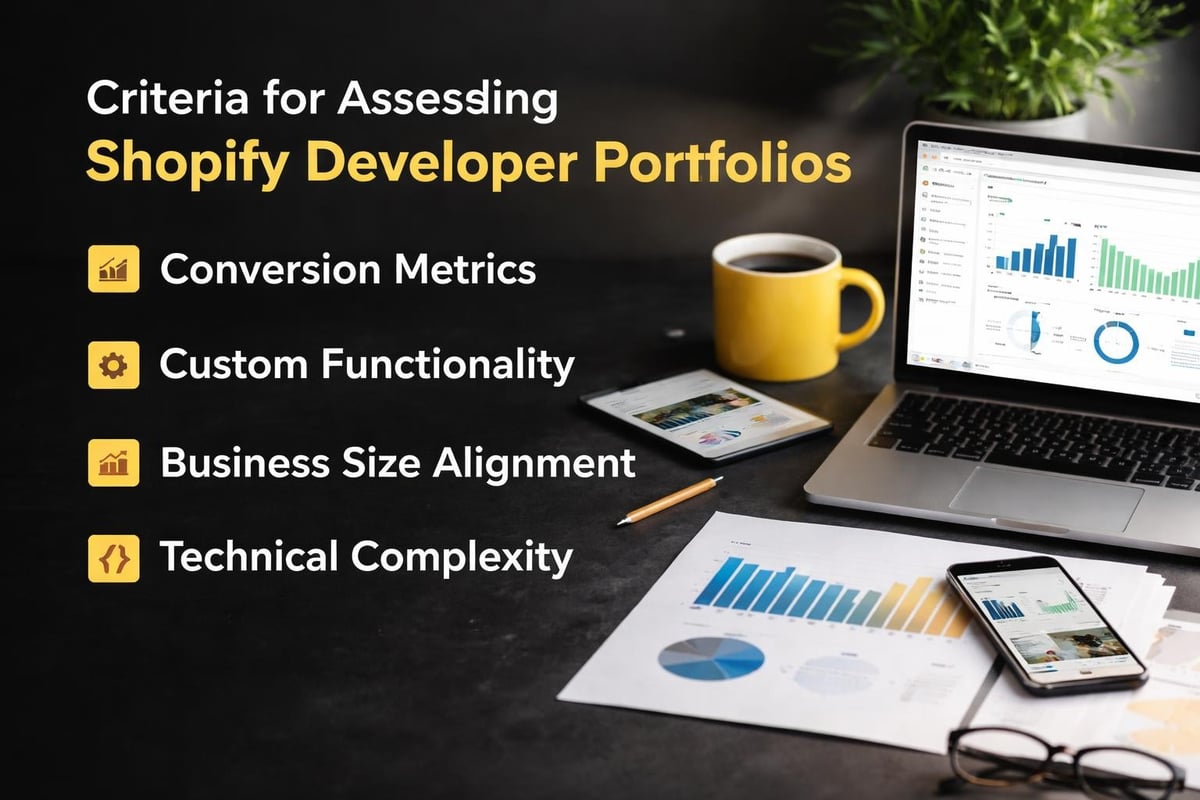
Look for specific metrics in case studies. Revenue growth, conversion rate improvements, traffic increases, or reduction in cart abandonment rates. Numbers matter more than design awards.
Ask about the client's involvement in the project. Some developers showcase stores where the client did most of the strategic work. You're hiring them for their expertise, not their ability to execute someone else's vision.
Key questions to ask when reviewing portfolios:
- What specific problems did this store solve?
- What were the conversion rates before and after launch?
- How long has the store been live and maintained?
- What was the client's business size and industry?
- What custom features were built versus using apps?
The top-rated Shopify development agencies consistently provide detailed case studies with measurable outcomes. Vague success stories usually hide mediocre results.
Research from 2026 shows that stores built with conversion optimization from the start outperform those requiring later redesigns by 47% in first-year revenue. Getting it right initially saves money and opportunity cost.
Timeline Expectations and Project Management
Speed matters in eCommerce. Every week you delay launch is a week of lost revenue.
Most full-service agencies quote 8 to 16 weeks for custom Shopify builds. This timeline often includes excessive rounds of revisions, unclear milestone definitions, and scope creep.
Realistic timelines for small business stores should land between 3 to 6 weeks. This assumes clear requirements, responsive communication, and a streamlined process.
The Four-Week Build Model
Breaking development into tight weekly sprints forces clarity and momentum. Week one covers strategy, structure, and design direction. Week two handles theme development and core page builds.
Week three focuses on product setup, app integration, and functionality testing. Week four manages final revisions, content population, and launch preparation.
This model only works with experienced developers who've refined their process. It requires you to be responsive and decisive as well.
According to research on efficient Shopify development approaches, structured processes reduce project timeline by 60% compared to traditional agency approaches.
Your role in maintaining timeline:
- Provide content and assets within agreed timeframes
- Make decisions quickly on design and functionality options
- Attend scheduled review sessions prepared with feedback
- Trust the developer's expertise on technical recommendations
Delays almost always come from client-side bottlenecks, not technical challenges. Having your content, branding, and product information ready before starting accelerates everything.
App Ecosystem Knowledge and Integration Strategy
The Shopify app store contains over 8,000 apps in 2026. This creates both opportunity and chaos.
Top developers know which apps actually work, which create conflicts, and which are unnecessary bloat. They've tested apps across multiple stores and understand the real-world performance implications.
Many developers default to popular apps without considering your specific needs. This adds monthly subscription costs and potential technical debt.
A smart integration strategy starts with your business requirements. What functionality do you absolutely need? What problems are you solving for customers?
| Function | App Required? | Alternative Approach |
|---|---|---|
| Product reviews | Often yes | Manual collection initially |
| Email marketing | Yes | Platform choice varies by strategy |
| Inventory management | Depends on volume | Shopify native for under 500 SKUs |
| Subscriptions | Yes if needed | Native checkout features expanding |
| Upsells | Sometimes | Theme customization can handle basic needs |
Understanding these trade-offs requires experience. According to data from Shopify development specialists, stores averaging 5-8 apps perform better than those running 15+ apps. More isn't better.

The best developers also consider long-term maintenance. Apps require updates, create potential conflicts during theme updates, and add ongoing costs. Every integration decision has future implications.
Support and Maintenance After Launch
Your relationship with a developer shouldn't end at launch. Stores need ongoing attention, updates, and improvements.
Different developers offer vastly different post-launch support models. Some disappear completely. Others charge premium hourly rates for minor tweaks. Some provide structured maintenance packages.
Post-launch support should cover:
- Theme updates when Shopify releases platform changes
- App compatibility monitoring and updates
- Performance optimization as traffic grows
- Security patches and vulnerability management
- Technical troubleshooting when issues arise
Evaluate support offerings before signing contracts. Knowing how your developer handles emergencies matters. A crashed store loses money every minute it's down.
Many businesses discover too late that their developer has moved on to other projects or doesn't offer maintenance. This creates expensive problems when you need urgent fixes.
Reviews of established Shopify development services show that ongoing support accessibility correlates strongly with long-term store success. It's not just about the initial build quality.
Geographic Considerations for Australian Businesses
Working with overseas developers introduces timezone challenges and communication friction.
A developer in the USA or Europe operates on completely different hours. Quick questions take 24 hours for responses. Urgent issues sit unresolved overnight.
This doesn't make international developers bad choices necessarily. It just adds complexity and delay.
Benefits of working with Australian-based developers:
- Real-time communication during your business hours
- Understanding of Australian market expectations and preferences
- Knowledge of local payment preferences and shipping logistics
- GST and tax compliance familiarity
- Australian consumer law understanding
These factors matter more for small businesses than established enterprises. When you're learning eCommerce, having accessible support in your timezone reduces stress significantly.
That said, location shouldn't trump expertise. A mediocre local developer isn't better than an excellent international one just because of geography.
The optimal scenario combines Australian-based operations with development expertise. You get local accessibility with technical capability. Resources like Kida Digital’s approach demonstrate how focused Australian specialists can serve local businesses effectively.
Red Flags When Evaluating Developers
Certain warning signs should make you pause before committing to a developer.
Vague pricing or resistance to providing clear quotes suggests they're figuring it out as they go. Professional developers know their costs and can estimate accurately.
Overpromising on timelines is another red flag. If a developer claims they can build a custom store in a week, they're either using templates or don't understand the scope properly.
Warning signs to watch for:
- No portfolio or case studies with measurable results
- Pushing expensive enterprise solutions for simple needs
- Inability to explain technical decisions in plain language
- Requiring full payment upfront before starting work
- No clear contract or scope documentation
- Defensive responses to questions about their process
Poor communication during the sales process predicts worse communication during the project. If they're slow to respond or unclear now, expect that to continue.
Some developers also rely too heavily on their agency status without demonstrating individual capability. Large teams don't automatically mean better outcomes. According to analysis of top Shopify developers and designers, boutique specialists often outperform larger agencies for small business projects.
Making Your Final Decision
Choosing among top Shopify developers ultimately comes down to alignment. Technical skills matter. Experience matters. But fit matters most.
Do they understand your business model? Can they explain technical concepts without condescension? Do their values match yours around speed, quality, and communication?
The cheapest option rarely delivers the best value. The most expensive doesn't guarantee superior results. You're looking for the sweet spot of capability, communication, and cost.
Decision-making framework:
- Define your absolute requirements versus nice-to-haves
- Set a realistic budget including contingency for extras
- Interview at least three developers with detailed questions
- Request references and actually contact them
- Review contracts carefully before signing
- Ensure payment terms protect both parties fairly
Trust your instincts about communication style and responsiveness. You'll be working closely with this developer for weeks. Personality fit isn't superficial.
Many successful eCommerce businesses find that working with specialized developers who focus exclusively on Shopify produces better outcomes than generalist web developers dabbling in the platform. Deep platform knowledge matters.
Understanding why some agencies charge premium rates for Shopify builds helps you evaluate whether those costs reflect genuine value or unnecessary overhead.
The right developer becomes a partner in your business success, not just a vendor completing a transaction. That relationship foundation starts with the first conversation.
Finding top Shopify developers requires looking beyond marketing claims to evaluate actual capability, communication, and value alignment. The best choice for your business balances technical expertise with understanding of small business eCommerce realities.
If you're a small Australian business ready to launch your first Shopify store without agency bloat or DIY overwhelm, Kida Digital offers a streamlined four-week process built specifically for your needs. We focus on conversion-led development that gets you to market quickly with a store designed to sell, not just look good.


Be the first to comment