

Finding the right Shopify web agency shouldn't feel like navigating a maze blindfolded. Yet most Australian small business owners looking to launch an online store face exactly that: contradictory advice, wildly different pricing, and agencies that promise the world but deliver templates with a logo swap. The reality is that Shopify development has matured significantly since 2020, and the gap between what you actually need and what agencies sell you has never been wider. This guide cuts through the noise to help you understand what a quality Shopify web agency actually delivers, what you should expect to pay, and how to spot the difference between strategic partners and expensive order-takers.
What Defines a Quality Shopify Web Agency
Not all agencies are created equal, even when they all claim Shopify expertise.
A genuine shopify web agency understands the platform's ecosystem at a technical level. They know the difference between Liquid templating and theme customisation. They understand how Shopify's checkout works and why you can't just change everything about it on standard plans. They've worked with the Shopify API and know which apps integrate cleanly and which ones create conflicts.
But technical knowledge alone doesn't make an agency worth hiring.
The best agencies combine platform expertise with conversion strategy. They understand user behaviour, cart abandonment psychology, and mobile commerce trends. According to TechRadar’s 2026 Shopify review, the platform now powers over 4.8 million active stores globally, which means competition for customer attention has intensified dramatically.
Your agency needs to build stores that convert, not just look pretty.
Key indicators of agency quality:
- They ask about your business model before discussing design
- They want to understand your target customer and their journey
- They discuss conversion rate optimisation from the first conversation
- They have specific Shopify case studies, not just general web design work
- They understand your product fulfillment process and inventory management
The agencies worth considering don't just build websites. They build sales systems.
The Portfolio Tells the Real Story
When evaluating any Shopify web agency, their portfolio reveals more than their sales pitch ever will.
Look for stores they've built in the past 18 months. Shopify evolves rapidly, and what worked in 2023 often feels dated by 2026. The platform's recent updates around checkout extensibility and enhanced theme architecture mean modern agencies should demonstrate current best practices.
Pay attention to loading speeds on their portfolio sites. Run them through PageSpeed Insights. A slow portfolio site suggests the agency prioritises aesthetics over performance, which directly impacts your conversion rates and SEO rankings.
Check if their portfolio stores are still active and successful. Some agencies showcase beautiful designs for businesses that closed within months because the store never actually converted visitors into customers.

Understanding Shopify Agency Pricing in Australia
Pricing remains one of the most confusing aspects of hiring a Shopify web agency.
Australian agencies typically charge anywhere from $3,000 to $50,000 for Shopify builds. That enormous range exists because "Shopify store" can mean vastly different things. A basic template implementation with minimal customisation sits at the lower end. A fully custom theme with complex integrations, custom app development, and extensive UX research sits at the higher end.
Most legitimate agencies for small to medium businesses charge between $8,000 and $25,000.
Here's what typically drives costs up:
- Custom theme development from scratch
- Complex product catalog structures
- Custom functionality beyond Shopify's core features
- Multiple third-party integrations
- Extensive content creation and photography
- Advanced automation workflows
The challenge many Australian small businesses face is paying agency rates designed for enterprises when they simply need a solid, conversion-focused store that works.
What You're Actually Paying For
When you hire a shopify web agency, you're not just paying for design hours.
You're paying for strategic thinking, platform expertise, and the agency's understanding of ecommerce psychology. The visual design might take 40 hours, but the strategy, UX planning, and technical setup represent the real value.
Typical agency deliverables include:
- Discovery and strategy session
- User experience planning and wireframes
- Visual design and brand integration
- Theme development or customization
- Product upload and catalog setup
- Payment gateway configuration
- Shipping and tax setup
- App selection and integration
- Mobile optimization
- Basic SEO setup
- Launch support and testing
The breakdown matters because it helps you understand whether an agency's quote reflects genuine work or inflated margins.
Some agencies charge $15,000 for work that's 80% template installation and 20% customisation. Others charge the same for genuinely strategic, custom work. The deliverables list reveals which category they fall into. Understanding why agencies charge what they do for Shopify sites helps you evaluate whether the investment matches the output.
Red Flags When Evaluating Agencies
Several warning signs indicate an agency might not deliver the results you need.
Template obsession without strategy. If an agency leads with "which theme do you like?" before understanding your business model, they're not thinking strategically. Theme selection should follow business strategy, not precede it.
Vague timelines without milestones. Quality agencies provide clear project timelines with specific milestones. "It takes 8-12 weeks" without breakdown details suggests poor project management or padding for inefficiency.
No discussion of post-launch support. Launching is just the beginning. Agencies that don't discuss ongoing optimisation, updates, or support are thinking transactionally, not partnership-oriented.
Generic proposals that could apply to any business show the agency hasn't invested time understanding your specific needs. As highlighted in this guide on how to choose a Shopify agency, genuine expertise means tailored recommendations, not one-size-fits-all solutions.
The Communication Test
How an agency communicates during the sales process predicts how they'll communicate during your project.
Do they respond promptly to questions? Do they explain technical concepts in accessible language? Do they set clear expectations about what's included and what costs extra?
Poor communication before you've signed a contract only gets worse once you have.
Modern Shopify Development Best Practices
The Shopify landscape has evolved significantly, and your agency should demonstrate current knowledge.
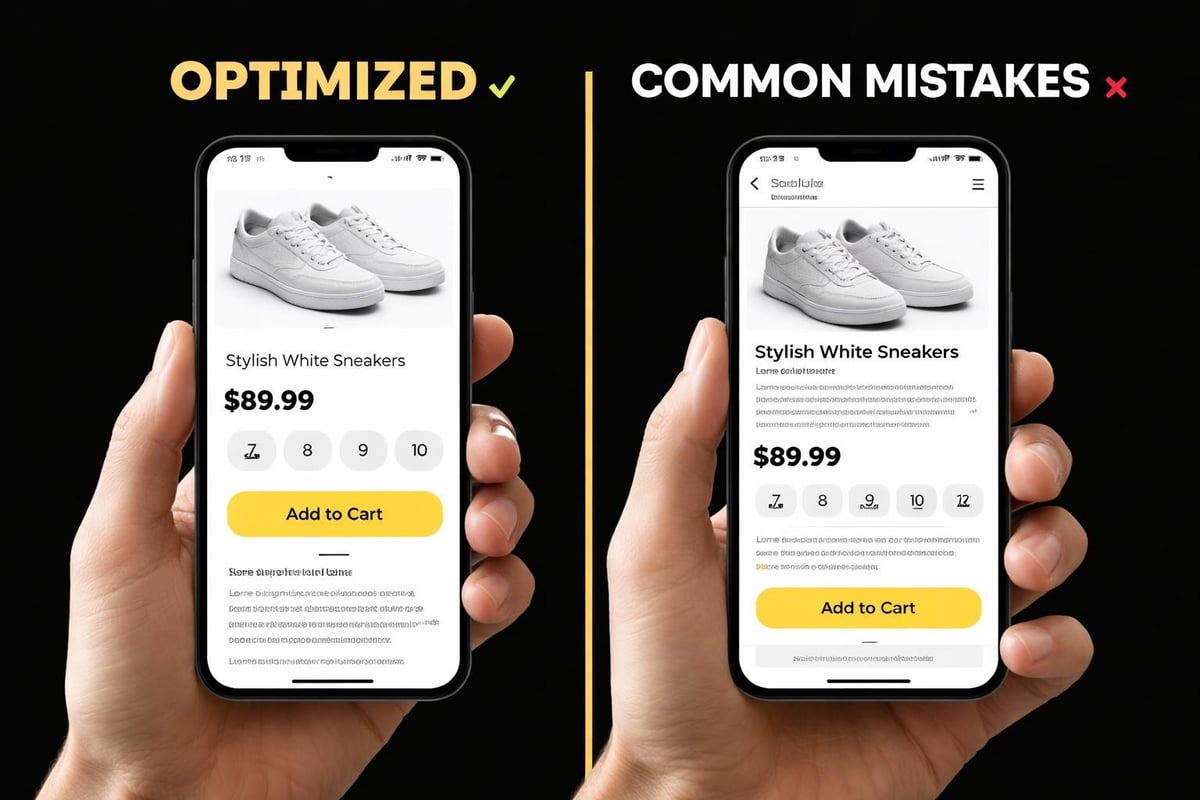
Mobile-first design isn't optional anymore. Over 70% of ecommerce traffic in Australia now comes from mobile devices, and Google's mobile-first indexing means your mobile experience directly impacts search rankings. Your shopify web agency should design for mobile first, then enhance for desktop, not the other way around.
Current technical priorities include:
- Core Web Vitals optimization for search and user experience
- Accessibility compliance (WCAG 2.1 standards minimum)
- Sustainable performance without app bloat
- Clean code that follows Shopify’s theme development best practices
- Conversion-focused checkout experience
Page speed matters more than ever. Research consistently shows that each second of load time decreases conversion rates by approximately 7%. Agencies that don't prioritise performance are leaving money on the table.
The best agencies also understand Shopify homepage best practices that balance brand storytelling with clear conversion pathways, ensuring visitors understand your value proposition within seconds of landing.
App Integration Strategy
Apps extend Shopify's functionality, but too many apps create problems.
Each app adds code to your store. More code means slower load times. Multiple apps doing similar things create conflicts. Poor app choices create technical debt that becomes expensive to fix later.
A quality Shopify web agency approaches apps strategically. They evaluate whether you actually need an app or if Shopify's native features can achieve the same result. They test app performance impact before installation. They choose apps with solid development teams and good support records.

For small Australian businesses, the essential apps typically include reviews, email marketing, and potentially subscriptions or loyalty programs. Everything else should be questioned.
The Strategy Beyond Design
Visual design matters, but strategy determines success.
Your agency should spend significant time understanding your customer journey before touching design tools. Who buys from you? Why do they choose you over competitors? What objections do they have? What information do they need to make a purchase decision?
These questions shape everything: navigation structure, product page layout, homepage messaging, and checkout flow.
Strategic elements often overlooked:
- Customer segmentation and personalization opportunities
- Cross-sell and upsell product relationships
- Email capture and abandoned cart recovery sequences
- Product bundling strategies
- Seasonal campaign planning
- Content marketing integration
According to Omnisend’s Shopify best practices guide, stores that implement strategic email automation see 320% more revenue than those relying solely on broadcast emails.
Your agency should help you plan these revenue drivers from day one, not treat them as afterthoughts.
Conversion Rate Focus
A beautiful store that doesn't convert is just an expensive brochure.
The best agencies obsess over conversion rates. They use data to inform design decisions. They understand where friction exists in the buying process. They test different approaches to product presentation, trust signals, and calls-to-action.
For small businesses launching their first Shopify store, streamlined Shopify development that covers everything needed to launch within four weeks provides clarity and momentum without agency bloat or missing fundamentals, ensuring every element serves the goal of converting visitors into customers.
This means your agency should discuss conversion optimization during planning, not months after launch when you're disappointed with sales.
Timeline Expectations for Shopify Builds
Understanding realistic timelines helps you evaluate agency promises.
A quality Shopify build for a small to medium business typically takes 4-8 weeks from kickoff to launch. This assumes you provide content, product information, and timely feedback. Projects stretch to 12-16 weeks when scope expands, custom development increases, or client feedback delays occur.
Typical timeline breakdown:
- Week 1-2: Discovery, strategy, and planning
- Week 2-4: Design concepts and revision
- Week 4-6: Development and customisation
- Week 6-7: Content population and testing
- Week 7-8: Final revisions and launch preparation
Agencies promising completed builds in under two weeks are either using barely-customised templates or have unrealistic expectations about what "complete" means.
Projects dragging beyond three months often indicate scope creep, poor project management, or agencies juggling too many clients simultaneously.
The best agencies set clear milestones with accountability on both sides. You know when feedback is needed. They know when deliverables are due. Everyone stays aligned.
The Launch Is Just the Beginning
Your relationship with a shopify web agency shouldn't end at launch.
Ecommerce stores require ongoing optimisation. You'll discover friction points in your checkout. You'll need seasonal design updates. New products require new category pages. Marketing campaigns need landing pages.
Smart agencies offer post-launch support packages that provide monthly hours for updates, optimisation, and improvements. This ongoing relationship often delivers more value than the initial build.
Design Principles That Actually Matter
Shopify development involves balancing aesthetics with functionality.
Current design trends favour clean, minimalist layouts with generous white space. But trends shouldn't override usability. Your agency should prioritise clarity over cleverness. Visitors should immediately understand what you sell, why it matters, and how to buy.
As covered in Shopify’s website design tips, effective ecommerce design balances expected elements (like clear navigation and search) with unexpected elements (like unique brand personality) to create memorable experiences.
Design elements that impact conversion:
- High-quality product photography from multiple angles
- Clear, benefit-focused product descriptions
- Visible trust signals (reviews, guarantees, security badges)
- Intuitive navigation that matches how customers think
- Prominent search functionality
- Mobile-optimised layout and touch targets
- Fast-loading images and minimal animation
Design should guide visitors toward purchase decisions, not distract from them.
Typography and Readability
Font choices impact more than aesthetics. They affect readability, brand perception, and even load times.
Your agency should select fonts that load quickly, display consistently across devices, and remain readable at various sizes. Custom fonts add brand personality but slow down your site if not optimised properly. System fonts load instantly but offer less distinctiveness.
The best approach typically involves one or two carefully chosen fonts: one for headings, one for body text. More fonts create visual chaos and slow load times.
Line length matters too. Text blocks that stretch across wide screens become difficult to read. Optimal line length is 50-75 characters. Your agency should design layouts that maintain readability across screen sizes.
The Australian Shopify Landscape
Working with Australian-based agencies offers specific advantages for local businesses.
Time zone alignment means real-time communication during business hours. Cultural understanding means they get Australian consumer behaviour, seasonal patterns, and local market preferences. They understand Australian Payment Service providers, tax requirements, and shipping logistics.
For small Australian ecommerce businesses, understanding the broader landscape of Shopify web development in the local market helps set realistic expectations about timelines, costs, and support availability.
International agencies might offer lower prices, but time zone differences, communication barriers, and lack of local market knowledge often create hidden costs.
Support and Accessibility
When something breaks at 3 PM on a Tuesday, you need help now, not tomorrow morning in a different time zone.
Australian agencies provide support during Australian business hours. They understand urgent means urgent, not "we'll look at it in our morning." They can jump on a call without scheduling around 12-hour time differences.
This accessibility particularly matters during launch periods and peak trading seasons when issues need immediate resolution.
Technical Considerations Beyond Design
A shopify web agency should handle technical setup as competently as design.
Domain configuration, SSL certificates, payment gateway setup, shipping zones, tax calculations, and inventory management all require proper configuration. Mistakes here create customer friction, lost sales, or compliance issues.
Critical technical setup includes:
- Proper domain connection and redirect management
- Payment gateway testing across different scenarios
- Shipping rate calculations for various zones
- Tax configuration for GST and international orders
- Inventory tracking and low-stock alerts
- Backup and security protocols
These technical elements rarely get glamorous attention, but they determine whether your store functions smoothly or creates customer frustration.
SEO Foundation
Your store's SEO foundation gets established during build, not added later.
This includes proper heading hierarchy, meta descriptions, alt text for images, XML sitemaps, and URL structure. For detailed guidance on conversion-focused product page optimisation, reviewing SEO optimisation for Shopify product pages provides practical implementation strategies.
Clean URL structures matter. /products/premium-leather-wallet works better than /products/product-12345-leather-wallet-brown for both users and search engines.
Your agency should implement schema markup for products, reviews, and breadcrumbs. This structured data helps search engines understand your content and can enhance search result displays with rich snippets.
Evaluating Agency Experience and Expertise
Credentials and certifications provide some guidance, but real-world results matter more.
Shopify Partner status indicates the agency has completed Shopify's training and maintains an active relationship with the platform. Shopify Plus Partner status suggests experience with enterprise-level implementations. But these badges don't guarantee quality work.
Look for agencies that share specific results: conversion rate improvements, traffic growth, revenue increases. Ask for client references you can actually contact. Request access to live stores they've built so you can evaluate real performance.
Questions to ask during agency evaluation:
- How many Shopify stores have you launched in the past year?
- What's your typical client's annual revenue range?
- Can you share conversion rate benchmarks for similar businesses?
- How do you approach mobile optimization?
- What's your process for app selection?
- How do you handle post-launch support?
Their answers reveal whether they truly understand ecommerce or just build websites that happen to sit on Shopify.
Alternative Approaches Worth Considering
Traditional agencies aren't your only option for quality Shopify development.
Specialized Shopify developers often provide better value than full-service agencies for small businesses. They focus exclusively on the platform, understand it deeply, and operate with lower overhead. Their pricing typically falls between DIY and traditional agencies while delivering professional results.
The rise of streamlined development services specifically targeting small Australian eCommerce businesses provides another middle path. These services cut agency bloat while maintaining professional standards, offering clear timelines and transparent pricing.
For businesses with internal marketing capabilities, you might need development expertise more than full-service agency support. Understanding different service approaches to ecommerce sites helps you match your actual needs with the right solution.
The DIY vs Agency Decision
Some businesses genuinely can launch successfully using Shopify's DIY tools and themes.
If you have design skills, technical comfort, time to learn, and a straightforward product catalog, DIY might work. Shopify's theme store offers quality templates, and the platform's documentation has improved significantly.
But DIY becomes expensive when you spend months learning instead of selling, make costly mistakes in setup, or build something that looks fine but converts poorly.
The calculation isn't just agency cost versus DIY cost. It's agency cost versus the opportunity cost of time spent learning instead of growing your business, plus the revenue lost from a store that doesn't convert effectively.
Making Your Final Decision
Choosing a shopify web agency ultimately comes down to alignment on three factors: capability, communication, and cost.
Capability means they demonstrate relevant expertise through portfolio work, case studies, and technical knowledge. Communication means they explain clearly, respond promptly, and set appropriate expectations. Cost means their pricing reflects genuine value, not inflated margins or corner-cutting.
Trust your instincts during evaluation conversations. Agencies that pressure you, dismiss your questions, or promise unrealistic results are showing you who they are. Believe them.
The right agency feels like a partner who wants your business to succeed, not a vendor who wants to complete a project and move on.
Look for agencies that ask hard questions about your business, challenge assumptions constructively, and demonstrate genuine interest in your success beyond the initial build.
Selecting the right Shopify web agency shapes your ecommerce trajectory for years to come. The difference between strategic development and template deployment determines whether your store becomes a revenue engine or an expensive experiment. If you're a small Australian eCommerce business looking for conversion-focused Shopify development without agency bloat, Kida Digital specialises in streamlined builds that get you from concept to launch in four weeks with everything you need to start selling successfully.


Be the first to comment